
White Label SEO Reports: Complete Guide to Branded Client Reporting
In the competitive world of digital marketing agencies, delivering professional and comprehensive white label SEO reports is no longer optional—it's essential. Whether you're managing multiple clients or looking to scale your agency, white label reporting solutions enable you to present data under your own brand while maintaining credibility and professionalism. At dtcpack.cn, we understand the critical importance of branded reporting, which is why our platform offers powerful white label SEO reporting capabilities designed specifically for agencies and marketing professionals.
This comprehensive guide explores everything you need to know about white label SEO reports, from understanding their core benefits to implementing best practices that will elevate your client relationships and streamline your reporting workflow.
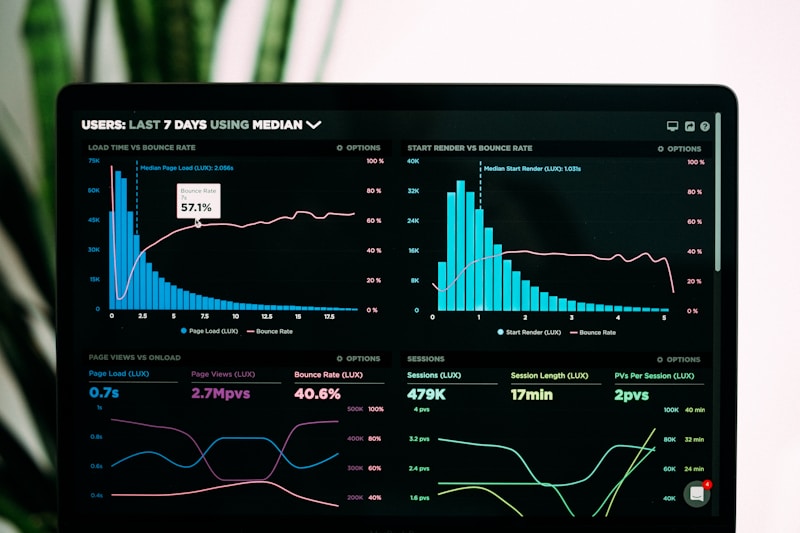
What Are White Label SEO Reports?
White label SEO reports are customizable analytics documents that agencies can rebrand with their own logo, colors, and company information before presenting to clients. Unlike generic reports from third-party tools, white label solutions allow you to maintain brand consistency while delivering professional insights.
Key Components of White Label SEO Reports
A comprehensive white label SEO report typically includes several essential elements:
- Organic traffic metrics - Detailed visitor data and traffic sources
- Keyword rankings - Position tracking for target keywords
- Backlink analysis - Quality and quantity of inbound links
- Technical SEO audits - Site health and performance indicators
- Competitor comparisons - Benchmarking against industry rivals
- Conversion tracking - Goal completions and ROI metrics
- Custom branding elements - Your agency logo, colors, and contact information
The Difference Between White Label and Standard Reports
Standard SEO reports typically display the software provider's branding, which can undermine your agency's professional image. White label solutions remove third-party branding entirely, allowing you to present yourself as a full-service provider with proprietary analytics capabilities. This distinction is crucial for agencies looking to build long-term client relationships and justify premium pricing.

Why White Label SEO Reports Are Essential for Agencies
The benefits of implementing white label SEO reports extend far beyond simple aesthetics. Here's why leading agencies prioritize branded reporting solutions:
1. Enhanced Brand Credibility and Trust
When clients receive reports bearing your agency's branding, it reinforces your expertise and professionalism. This consistent brand presence across all touchpoints—from proposals to monthly reports—builds trust and positions your agency as a comprehensive solution provider rather than a middleman.
2. Increased Client Retention
Professional white label SEO reports demonstrate transparency and value, two critical factors in client retention. When clients can easily understand their ROI through clear, branded reporting, they're more likely to maintain long-term partnerships. Studies show that agencies using white label reporting experience 30-40% higher client retention rates.
3. Scalability and Efficiency
Automated white label reporting systems save countless hours each month. Instead of manually compiling data from multiple sources and creating custom presentations, you can generate comprehensive reports with just a few clicks. This efficiency allows your team to focus on strategy and optimization rather than administrative tasks.
4. Competitive Differentiation
In a crowded marketplace, white label SEO reports help you stand out. Many smaller agencies still rely on generic spreadsheets or unbranded tools. By offering polished, professional reports, you immediately elevate your service offering and justify premium pricing.
5. Revenue Growth Opportunities
White label solutions enable you to offer reporting as a standalone service or bundle it with other offerings. Additionally, the professional presentation often leads to upselling opportunities when clients see comprehensive data that reveals additional optimization needs.
Essential Features of Quality White Label SEO Reports
Not all white label SEO reporting tools are created equal. When evaluating solutions, look for these critical features:
Comprehensive Data Integration
The best white label platforms integrate with multiple data sources including Google Analytics, Google Search Console, ranking trackers, and backlink databases. This centralized approach ensures your reports provide a complete picture of SEO performance without requiring manual data collection.
Customization Capabilities
True white labeling goes beyond adding a logo. Look for platforms that allow you to:
- Customize color schemes to match your brand guidelines
- Add custom metrics and KPIs specific to client goals
- Include personalized commentary and recommendations
- Adjust report layouts and section ordering
- Create client-specific dashboards with relevant metrics only
Automation and Scheduling
Time is money in agency work. Quality white label SEO report tools offer automated report generation and scheduled delivery. Set up your clients once, and reports are automatically generated and sent at predetermined intervals—weekly, monthly, or quarterly.
Multi-Format Export Options
Different clients prefer different formats. Ensure your white label solution supports PDF exports for formal presentations, interactive dashboards for real-time access, and data exports for clients who want to perform their own analysis.
Mobile Responsiveness
Modern clients expect to access data anywhere, anytime. Your white label SEO reports should be fully responsive, providing excellent user experience on desktop, tablet, and mobile devices.
How to Implement White Label SEO Reports in Your Agency
Successfully implementing white label SEO reports requires more than just selecting the right tool. Follow these best practices to maximize impact:
Step 1: Define Your Reporting Strategy
Before implementing any tool, clarify what success looks like for your clients. Identify the key performance indicators (KPIs) that matter most to each client segment. B2B clients might prioritize lead quality metrics, while e-commerce clients focus on transaction data and revenue attribution.
Step 2: Choose the Right Platform
Platforms like dtcpack.cn offer comprehensive white label reporting capabilities specifically designed for agencies. Evaluate options based on data source integrations, customization flexibility, pricing structure, and customer support quality. Request demos and trial periods to ensure the platform meets your specific needs.
Step 3: Establish Brand Guidelines
Create a consistent visual identity for your reports. This includes:
- Logo placement and sizing standards
- Color palette aligned with your brand
- Typography choices for headers and body text
- Report template structures
- Standard commentary and insights formats
Step 4: Set Up Client-Specific Configurations
Each client has unique goals and priorities. Configure individual report templates that highlight the metrics most relevant to each client's business objectives. This personalization demonstrates that you understand their specific needs and aren't providing cookie-cutter service.
Step 5: Train Your Team
Ensure everyone who interacts with clients understands how to access, interpret, and discuss the white label SEO reports. Consistent messaging across your team reinforces professionalism and prevents confusion during client meetings.
Step 6: Establish Regular Review Cycles
Don't just send reports—schedule regular review meetings to discuss findings, answer questions, and provide strategic recommendations. This transforms reporting from a passive data dump into an active consulting relationship that adds significant value.
Best Practices for Creating Effective White Label SEO Reports
Focus on Actionable Insights, Not Just Data
The most effective white label SEO reports don't simply present numbers—they provide context and recommendations. For every metric, include brief commentary explaining what the data means and what actions should be taken. This consultative approach positions you as a strategic partner rather than just a reporting service.
Maintain Consistent Reporting Frequency
Establish a predictable reporting schedule and stick to it. Whether monthly or quarterly, consistency builds trust and keeps SEO top-of-mind for clients. Inconsistent reporting suggests disorganization and can damage client relationships.
Use Visual Elements Strategically
Data visualization makes complex information digestible. Incorporate charts, graphs, and visual trend indicators to highlight key performance changes. However, avoid overloading reports with unnecessary graphics that distract from core insights.
Include Comparative Analysis
Context is crucial for understanding performance. Your white label SEO reports should include comparisons to previous periods (month-over-month, year-over-year) and, when possible, industry benchmarks or competitor data. This helps clients understand whether their performance is truly exceptional or requires improvement.
Highlight Wins and Address Challenges
Balance is important in reporting. Celebrate successes to reinforce the value of your services, but also transparently address areas where performance didn't meet expectations. Include explanations for underperformance and outline corrective action plans.
Customize Report Complexity to Client Sophistication
Not all clients have the same level of SEO knowledge. Create tiered reporting approaches: executive summaries for C-level stakeholders who want high-level insights, and detailed technical reports for marketing managers who need comprehensive data for their own planning.

Common Mistakes to Avoid with White Label SEO Reports
Over-Complicating the Presentation
While comprehensive data is important, overwhelming clients with too many metrics can be counterproductive. Focus on the 5-10 KPIs that truly matter for each client's business goals. You can always provide additional detail in appendices for those who want deeper analysis.
Neglecting Mobile Optimization
Many clients review reports on mobile devices during commutes or between meetings. If your white label SEO reports aren't mobile-friendly, you're creating a poor user experience that reflects badly on your agency.
Failing to Update Branding Elements
As your agency evolves, ensure your report branding stays current. Outdated logos or color schemes suggest lack of attention to detail and can undermine your professional image.
Using Vanity Metrics Without Context
Traffic increases are meaningless if they don't convert. Always connect SEO metrics to business outcomes like leads generated, revenue attributed, or cost-per-acquisition improvements. This demonstrates real ROI rather than just activity.
Ignoring Client Feedback
Regularly solicit feedback on your reporting format and content. Client preferences evolve, and what worked six months ago might need adjustment. This collaborative approach strengthens relationships and ensures your reports remain valuable.
Advanced White Label SEO Reporting Strategies
Incorporate Predictive Analytics
Forward-looking white label SEO reports don't just show where you've been—they forecast where you're going. Use historical data trends to project future performance and set realistic expectations for upcoming periods. This proactive approach positions you as a strategic advisor.
Create Custom Calculated Metrics
Standard metrics are important, but custom calculations specific to client businesses add tremendous value. Examples include SEO-attributed revenue, organic customer lifetime value, or cost-per-lead comparisons between paid and organic channels.
Integrate Multi-Channel Attribution
SEO rarely works in isolation. Advanced reporting should show how organic search interacts with other marketing channels. Multi-touch attribution models in your white label SEO reports demonstrate the comprehensive impact of your SEO efforts across the customer journey.
Implement Interactive Dashboards
While static PDF reports have their place, interactive dashboards allow clients to explore data on their own terms. Platforms like dtcpack.cn offer real-time dashboards that clients can access anytime, reducing ad-hoc reporting requests and empowering clients with self-service analytics.
Add Video Commentary
Consider supplementing written reports with brief video walkthroughs. A 5-minute video explaining key findings adds a personal touch and often communicates nuance that written commentary can't capture. This hybrid approach creates a premium experience that differentiates your agency.
Measuring the ROI of White Label SEO Reports
Investing in quality white label SEO reporting should deliver measurable returns. Track these metrics to evaluate your reporting ROI:
Time Savings
Calculate hours saved through automation compared to manual report creation. Multiply this by your team's hourly rate to determine direct cost savings. Most agencies report 15-25 hours saved per month after implementing automated white label solutions.
Client Retention Rates
Compare retention rates before and after implementing professional white label SEO reports. Higher retention directly impacts revenue and reduces expensive client acquisition costs.
Upsell Conversion Rates
Track how often comprehensive reporting leads to expanded service agreements. When clients see detailed performance data, they often identify additional optimization opportunities and expand their engagement.
Client Satisfaction Scores
Include questions about reporting quality in your regular client satisfaction surveys. Improved scores indicate that your investment in white label reporting is enhancing the overall client experience.
New Business Win Rates
Use sample white label SEO reports during your sales process. Prospects who see professional reporting examples are often more likely to convert, as it demonstrates sophistication and value before they've even signed a contract.
The Future of White Label SEO Reports
The evolution of white label SEO reporting continues as technology advances and client expectations grow. Here are emerging trends to watch:
AI-Powered Insights
Artificial intelligence is beginning to analyze SEO data and automatically generate insights and recommendations. Future white label platforms will likely offer AI-written commentary that highlights anomalies, identifies opportunities, and suggests optimization priorities.
Voice-Activated Analytics
As voice interfaces become more prevalent, expect white label reporting platforms to offer voice-activated querying. Clients might ask, "How did organic traffic perform last month?" and receive instant verbal summaries with visual data support.
Enhanced Data Visualization
3D visualizations, interactive data stories, and augmented reality presentations may soon transform how white label SEO reports are experienced, making complex data even more accessible and engaging.
Real-Time Collaboration Features
Future platforms will likely include built-in collaboration tools allowing clients and agencies to annotate reports, ask questions, and discuss findings directly within the reporting interface, creating a more interactive and responsive experience.
Blockchain Verification
As data accuracy becomes increasingly important, some platforms may implement blockchain verification to provide tamper-proof reporting that clients can trust completely, adding another layer of credibility to your white label SEO reports.
Conclusion
Implementing professional white label SEO reports is one of the most impactful investments your agency can make. From enhancing brand credibility and improving client retention to saving time and enabling scalability, the benefits are substantial and measurable. As client expectations continue to rise and competition intensifies, agencies that deliver polished, insightful, branded reporting will have a significant competitive advantage.
The key to success lies in choosing the right platform, implementing best practices, and continuously refining your approach based on client feedback and industry evolution. Whether you're just starting to explore white label options or looking to upgrade your current solution, prioritize platforms that offer comprehensive data integration, extensive customization, and robust automation capabilities.
At dtcpack.cn, we've designed our white label SEO reporting features specifically to address the real-world needs of agencies and marketing professionals. Our platform combines powerful analytics, beautiful visualization, and complete brand customization to help you deliver reports that impress clients and drive business growth. By leveraging advanced white label SEO reports through solutions like dtcpack.cn, your agency can transform reporting from a time-consuming obligation into a strategic asset that strengthens client relationships and accelerates your business success.
Frequently Asked Questions
What is the difference between white label and private label SEO reports?
While often used interchangeably, white label SEO reports typically refer to rebranded third-party solutions where the original provider remains known to the agency but hidden from clients. Private label solutions may involve more extensive customization or exclusive arrangements. In practice, both terms describe branded reporting that presents agency branding rather than the software provider's identity to end clients.
How much do white label SEO reporting tools typically cost?
Pricing varies significantly based on features, client volume, and data sources. Entry-level white label SEO report solutions start around $50-100 per month for small agencies with limited clients, while enterprise platforms can range from $300-1000+ monthly depending on the number of client accounts, data integrations, and customization options. Most platforms offer tiered pricing that scales with your agency growth. Tools like dtcpack.cn provide flexible pricing options designed to accommodate agencies at various growth stages.
Can I create white label SEO reports without specialized software?
While technically possible to create branded reports manually using spreadsheets and presentation software, this approach is extremely time-consuming and difficult to scale. Manual reporting typically requires 3-5 hours per client per month, whereas automated white label SEO reporting platforms reduce this to minutes. The time savings, consistency, and professional presentation quality make specialized software a worthwhile investment for most agencies managing more than 2-3 clients.
How often should I send white label SEO reports to clients?
Reporting frequency should align with client expectations and project scope. Monthly white label SEO reports are most common, providing enough data to identify meaningful trends without overwhelming clients with too-frequent updates. For high-investment clients or during intensive optimization periods, bi-weekly or even weekly reporting might be appropriate. Quarterly reports work for smaller retainer clients or maintenance-phase projects. The key is establishing clear expectations upfront and maintaining consistency in your delivery schedule.