Beyond backlinks, LLMs prioritize contextual relevance and term co-occurrence—here’s how brand mentions influence AI search rankings, along with actionable steps to leverage this dynamic.
Remember the days when SEO was synonymous with link building? The game has evolved. While quality backlinks remain a cornerstone of traditional search, the explosive rise of AI-driven search experiences (like Google’s AI Overviews and Chatgpt) has fundamentally changed what signals matter most.
Enter Brand Mentions. Think of them not just as “citations,” but as the critical raw material that feeds Large Language Models. LLMs don’t just index links; they ingest context, understand relationships, and gauge authority by analyzing how often and in what light your brand is mentioned alongside key topics. This “co-occurrence” is becoming a primary driver of whether an LLM cites you as a credible source in its generated answers.
Consequently, building a robust footprint of brand mentions is no longer a nice-to-have—it’s core infrastructure for durable organic visibility. This isn’t a return to spammy link schemes, but a strategic shift towards earning genuine recognition as an authority.
Why Prioritize Brand Mentions Now?
Brand mentions are becoming part of your ranking moat. They are a compounding asset. While competitors might chase outdated tactics, investing in mentions builds a long-term, defensible position in both traditional and AI search results.
From a practical standpoint, brand mention strategy should be prioritized:
-
After you’ve solidified technical and content fundamentals (site crawlability, clear site structure, solid on-page SEO).
-
Before you massively scale content production. You can publish hundreds of articles, but without a brand citation footprint, LLMs have little reason to surface them.
How to Identify High-Value Brand Mention Opportunities
Not all mentions are created equal. To find high-impact opportunities, look beyond standard backlink reports:
-
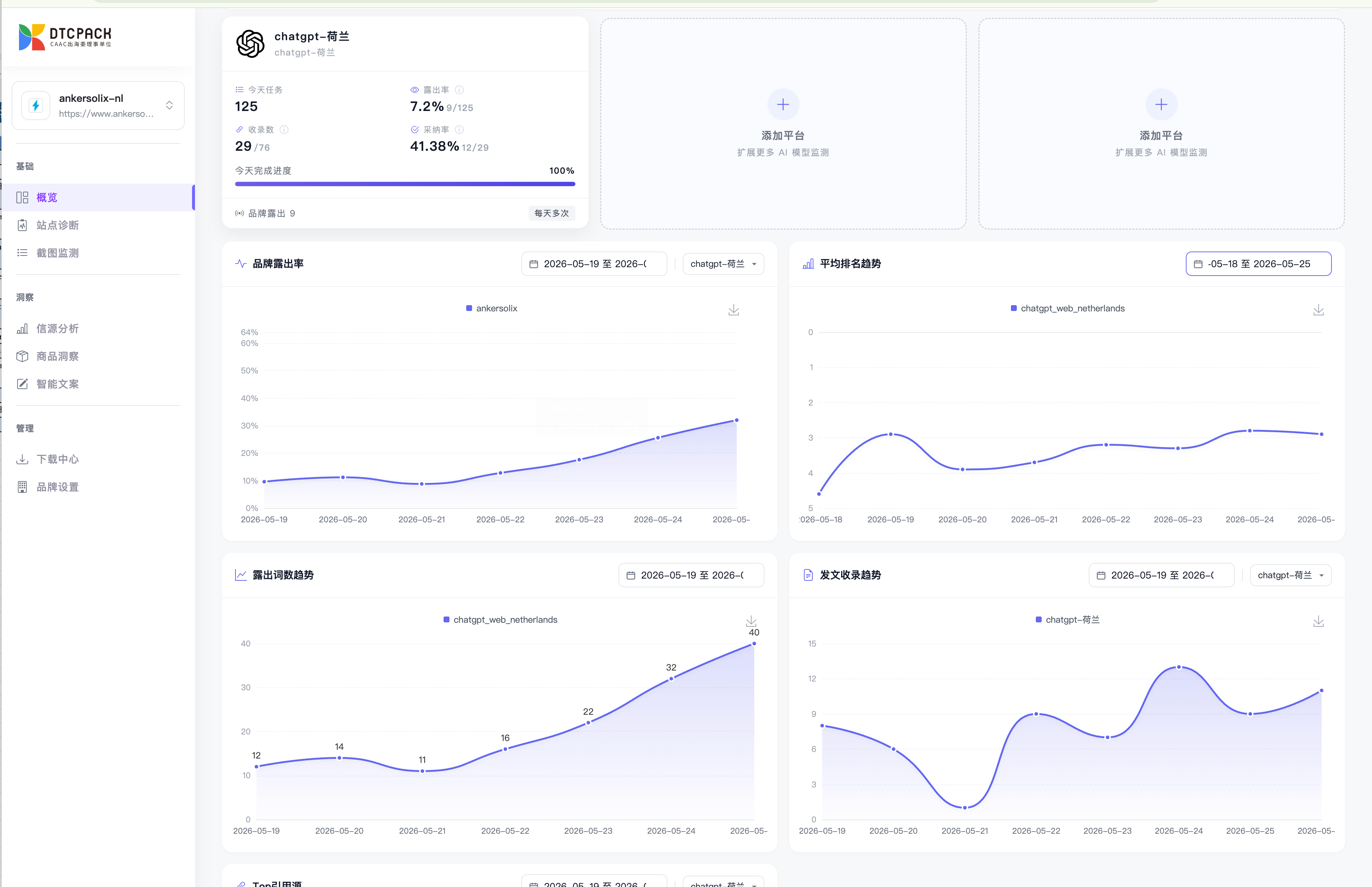
Use dtcpack geo tool to see which sources LLMs currently cite for your target topics.
-
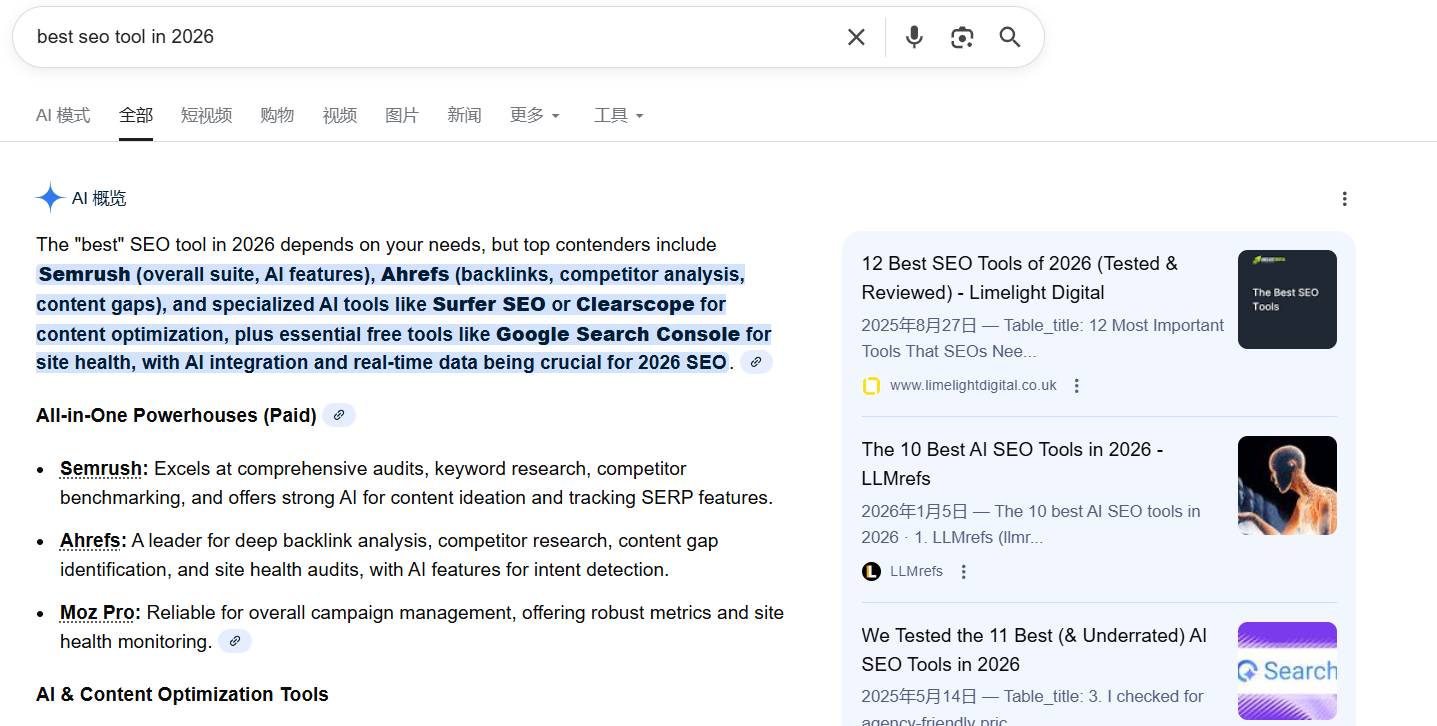
Reviewing the links featured in Google AI Overviews for your core SEO queries.(In AI Overviews, you can find links to source articles by clicking the chain-link icon shown here)
-
Scrutinize Community Cred: Deep-dive into ranking Reddit threads or forum discussions. Which brands, tools, or resources are users consistently recommending? This is a goldmine for understanding authentic, trust-driven mentions.
-
Reverse-Engineer Competitor Authority: See who’s getting cited in your space, not just linked to. What foundational assets (studies, tools, glossaries) do they own that make them a go-to reference?
Strategy 1: Drive Passive Brand Mentions (Become Referencable)
Passive mentions are earned when your content is so fundamentally useful that it naturally fills a gap in the information ecosystem. Your goal is to be the easiest, most logical source to cite.
-
Publish Original Data & Research: Proprietary surveys, annual industry reports, or unique data visualizations are catnip for both journalists and LLMs. They crave credible, distinct information.
-
Create Definitive “Canonical” Content: Build the web’s best, most clearly structured explainer on a topic. Aim to own definitions and foundational concepts. When you become the canonical source, citations follow.
-
Develop Useful Tools & Interactive Assets: Free calculators, templates, or diagnostic tools generate habitual links and mentions from bloggers, educators, and community members solving real problems.
-
Engage Authentically in Communities: Participate meaningfully on platforms like Reddit, LinkedIn communities, or niche forums as a true contributor, not a brand account. Insights shared here are scraped and can inform AI models.
Strategy 2: Actively Solicit High-Impact Mentions
Proactive outreach is essential but must be relationship-driven and anchored in providing genuine value.
-
Lead with the Asset, Not the Ask: Your pitch should be, “We just published this unique data/guide on [Topic] that perfectly supports the point you made in your recent article about [X].”
-
Target Based on Narrative Relevance: Focus on journalists and creators who have actively and recently covered your topic, not those on a generic list.
-
Provide a Clear, Ready-to-Use Angle: Offer a specific statistic, a quotable insight, or a sharp comparison that makes inclusion effortless for the writer.
-
Follow Up with New Value: If you don’t get a response, follow up only when you have something new and relevant to share—another data point, a related case study, etc.
-
Amplify Through Owned Channels: Host webinars, podcasts, or expert panels. These events create shareable content and increase your brand’s surface area for discovery by researchers and creators.
When to Bring in a PR Partner
Public relations can accelerate your brand mention flywheel, but timing is key. Consider professional PR support when:
-
You have a strong story or data engine but lack the media relationships for distribution.
-
You need to scale visibility rapidly for a funding round, major launch, or market entry.
-
Your category is reputation-intensive (e.g., finance, healthcare, legal tech, B2B SaaS), where tier-1 media coverage directly boosts perceived authority for AI and humans alike.
-
Crucially: PR is most effective after you have built reference-worthy assets. It’s about amplifying a signal that already exists.
The Long Game: Building a Compoundable Advantage
The timeless principles of quality apply: avoid low-quality “mention” farms, and never prioritize volume over contextual relevance. With a disciplined focus on creating referencable assets and building genuine relationships with your ecosystem, you can systematically:
-
Increase high-quality brand mentions.
-
Boost your citation rate in AI search outputs.
-
See sustained improvements in overall search rankings.
In the hybrid search world of 2025, authority is demonstrated not just by who links to you, but by who talks about you and in what context. Start building that conversation today.